When you need a large number of custom plastics, you want the best quality at…
Custom Plastics for Modern Farm Equipment
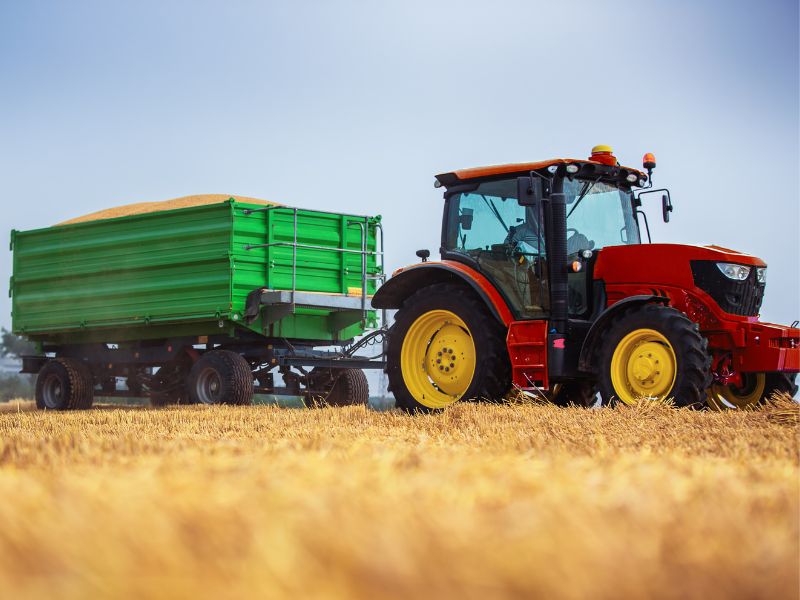
Agricultural equipment is expected to perform in conditions that are tough on materials. Machine components are constantly exposed to sun, temperature swings, vibration, moisture, dirt, and chemicals. If parts can’t handle those stresses, it often leads to premature wear, unexpected downtime, and added maintenance.
At Advanced Plastiform Inc., we support equipment design for the farming industry with the quality materials and innovative fabrication processes needed to keep agricultural plastics durable for the long term.
Why Agricultural Plastic Is Essential for Modern Farm Equipment
Agricultural machinery operates in environments that place significant stress on its parts. These parts need to stand up to dust, mud, fertilizer exposure, moisture, vibration, and temperature fluctuations across long operating seasons. Because of these conditions, farming equipment manufacturers need materials that perform reliably without constant maintenance.
Common advantages of thermoformed plastic components for the agriculture sector includes:
- Resistance to rust and corrosion
- Lower weight compared to many metal components
- Impact resistance during field use
- Flexibility in shaping complex parts
- Long service life in outdoor environments
- Compatibility with modern manufacturing processes
Agricultural Equipment Made from Engineered Plastics
Because plastics can be molded into precise shapes while maintaining durability, they are frequently used for parts that need to withstand outdoor exposure while fitting cleanly into complex equipment designs.
Below are several common examples of custom plastic components produced through agricultural thermoforming.
Protective Equipment Covers and Guards
Plastic housings and protective covers are commonly used to help safeguard mechanical and electrical systems from debris, moisture, and prolonged sun exposure. In agricultural settings where dust, mud, and crop residue are part of daily operation, these components help prevent sensitive parts from being exposed to conditions that can cause premature wear or damage.
Common examples include:
- Engine covers
- Electrical enclosures
- Belt guards
- Protective machine housings
- Equipment shrouds
Equipment Panels and Structural Components
Plastic components are also commonly used for body panels and other semi-structural parts throughout agricultural equipment. These components need to be durable enough to handle daily use while also keeping machine weight manageable. This is especially important for larger farm equipment where excess weight can affect performance and efficiency.
Examples may include:
- Operator console panels
- Machine body panels
- Access doors
- Equipment housings
- Protective shields
Storage and Material Handling Components
Plastic fabrication is also used to produce parts that support storage, containment, and material flow. In these applications, plastics are often chosen because they hold up well against chemicals, moisture, and corrosion and can be cleaned easily between uses.
These components may include:
- Hopper liners
- Chemical or fertilizer housings
- Protective tank covers
- Equipment bins and trays
Materials Commonly Used for Agricultural Plastics
Selecting the right material is one of the most important decisions when developing plastic components for agricultural equipment. The plastics used for these components must maintain their shape and strength while standing up to long-term environmental exposure.
The two plastics that are widely used across the industry include ABS and Acrylic.
Acrylonitrile Butadiene Styrene (ABS)
Acrylonitrile Butadiene Styrene (ABS) is widely used because it offers a strong balance of durability and formability. The material provides solid impact resistance, which is important for machinery operating in rugged field environments.
ABS is commonly used to build parts for equipment housings, machine panels, and protective covers.
Acrylic
Acrylic is often used in agricultural equipment when visibility and UV resistance are important. The material maintains its clarity while holding up well in outdoor conditions, which makes it useful for equipment that operates for long periods in direct sunlight.
In farm machinery, acrylic may be used for viewing panels, equipment windows, or protective covers.
Polycarbonate (PC)
Polycarbonate (PC) is often used when parts need both strength and visibility. Its known for its high impact resistance, which helps parts hold up in environments where equipment may encounter debris, vibration, or repeated use.
PC is often used to build protective shields, equipment windows, and viewing panels on agricultrual equipment.
Polypropylene (PP)
Polypropylene (PP) is frequently used to build farm equipment parts because it performs well when exposed to moisture, fertilizers, or other chemicals.
Thermoformed parts using PP are used to build storage containers, fluid-handling components, and protective housings within farm machinery.
Manufacturing Methods for Custom Farm Plastics
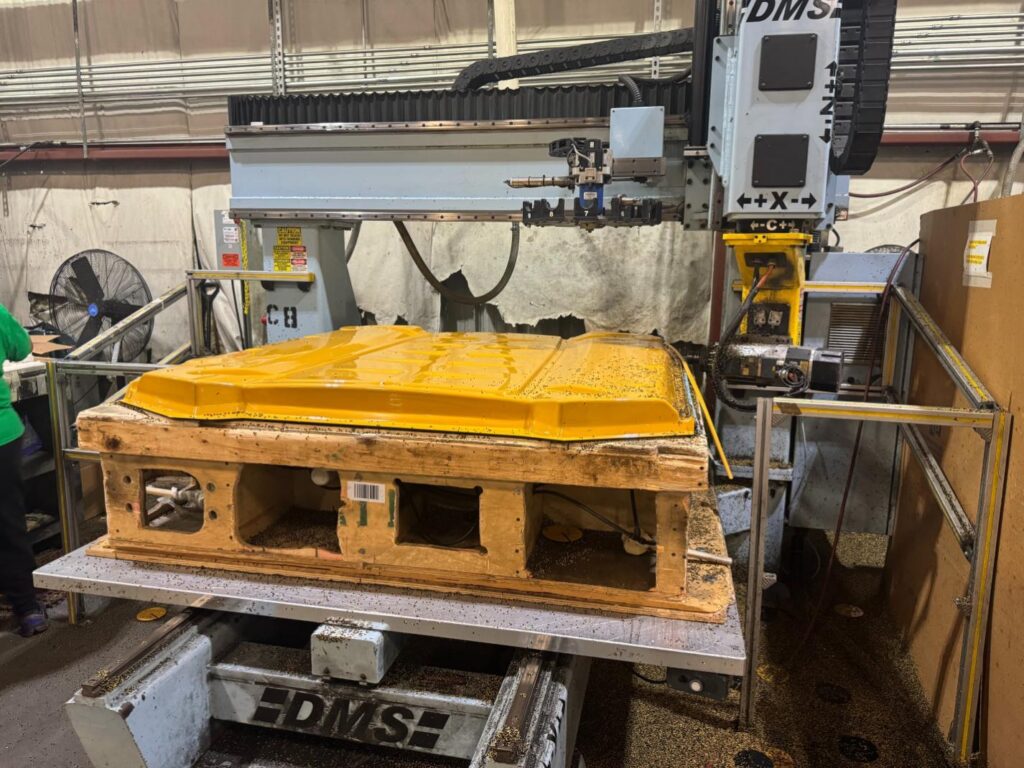
Choosing the best method for producing custom plastic components is an important step in the manufacturing process. The goal is to find the best method to produce parts that will perform reliably in the field and allow for consistent quality, while still meeting cost and production timelines.
Different manufacturing methods serve different purposes depending on part size, production volume, and performance requirements. In agricultural plastics manufacturing, two of the most common approaches are thermoforming and injection molding.
Thermoforming
Many large plastic components used in agricultural machinery are produced through thermoforming. This process heats plastic sheets until they become flexible and then forms them over molds to create custom parts.
There are several thermoforming techniques that can be used depending on the design requirements of the part.
Vacuum Forming
Vacuum forming uses vacuum pressure to pull heated plastic tightly against a mold surface. Once the material cools, it retains the shape of the mold. This method works well for larger agricultural plastics that need consistent shape and durability.
Pressure Forming
Pressure forming builds on the vacuum forming process by using additional air pressure to push heated plastic more firmly into the mold. This allows the material to capture finer surface details and sharper, more distinct features.
Twin-Sheet Forming
Twin-sheet forming forms two heated plastic sheets at the same time and then bonds them together to create a hollow structure. This process is useful for components that require additional rigidity while keeping weight manageable.
Injection Molding
Injection molding is another manufacturing method used for plastic components in farming equipment. In this process, molten plastic is injected into a mold cavity where it cools and solidifies into the final shape.
Injection molding is typically used for smaller or more detailed parts that require tight tolerances or high production volumes. Examples include clips, brackets, connectors, or smaller housings used within agricultural machines.
Benefits of Custom Agricultural Plastic Manufacturing
Several factors commonly drive agricultural equipment manufacturers toward custom plastic fabrication.
Durable Components Built for Field Conditions
Farming machinery operates in settings where equipment is exposed to moisture, soil, chemicals, vibration, and extended sun exposure on a daily basis. Custom plastic parts designed for these conditions resist corrosion and wear more effectively than materials like untreated steel or other metals that are more vulnerable to rust.
Weight Reduction Without Sacrificing Strength
Weight matters in agricultural equipment. Heavier parts can put extra strain on moving components and may reduce how efficiently the machine operates. Custom plastic parts can provide the strength needed for housings and panels while keeping the overall weight of the equipment lower. This allows manufacturers to maintain durability without adding unnecessary load to a machine.
Cost-Efficient Tooling and Production
For many agricultural equipment manufacturers, production costs are a key consideration when evaluating manufacturing options. Custom plastic fabrication processes like thermoforming can offer lower tooling costs compared to some alternative production methods. This makes it easier for manufacturers to move from design to production while managing development budgets. It also provides the flexibility needed to make design updates when equipment models evolve.
Faster Development and Lead Times
Custom farming plastic manufacturing often supports faster tooling development and shorter lead times compared with more complex processes. This helps engineering teams move parts from prototype to production more efficiently while keeping projects on schedule.
Design Flexibility for Modern Equipment
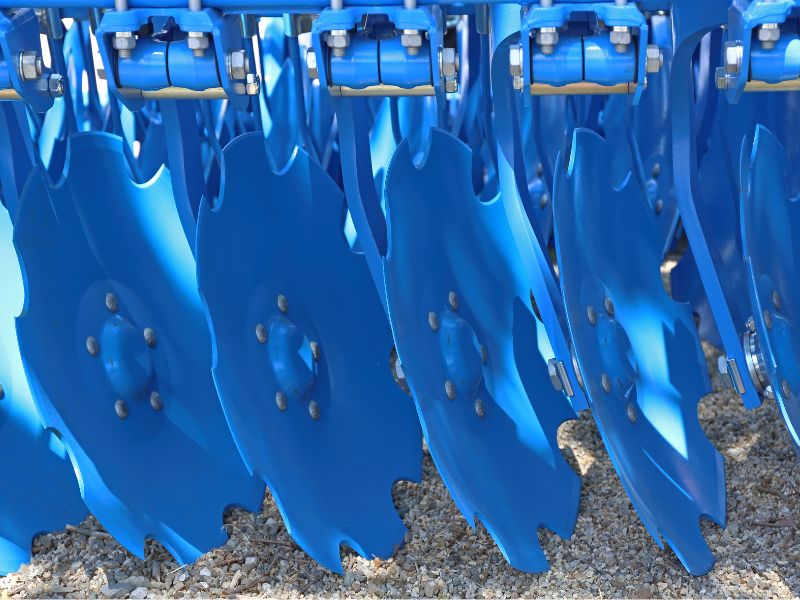
Agricultural equipment often requires large parts that need to integrate with complex mechanical systems. Custom plastic production allows engineers to design parts that match the geometry of the equipment without being limited by the constraints of traditional metal fabrication. This flexibility allows production teams to create parts that fit precisely within farming machines while maintaining durability and visual consistency.
Consistent Quality Across Production Runs
Once molds and tooling are developed, the process for building custom agricultural plastics allow parts to be produced consistently across production runs. This repeatability helps manufacturers maintain uniform quality across multiple units while supporting predictable production schedules.
Contact Our Custom Agricultural Plastics Engineers Today
At Advanced Plastiform Inc., we work directly with manufacturing teams in the Southeast to build durable, custom plastics for the farming industry using cost-efficient methods designed to support reliable production schedules. Our team focuses on practical manufacturing solutions that help you maintain consistent quality while keeping tooling costs and lead times manageable.
Learn more about our services throughout North Carolina, South Carolina, Pennsylvania, Maryland, Tennessee, Georgia, and Virginia by contacting us at 919-404-2080 or through our convenient online contact form.