Popular Types of Plastics Used in the Thermoforming Process Thermoforming involves heating up large sheets…
Thermoforming for Cold Chain Environments
Cold chain packaging has one goal: to prevent products from getting too warm or too cold at any point in their journey. This need for temperature control becomes vital the moment a product leaves the warehouse and is ready for transport.
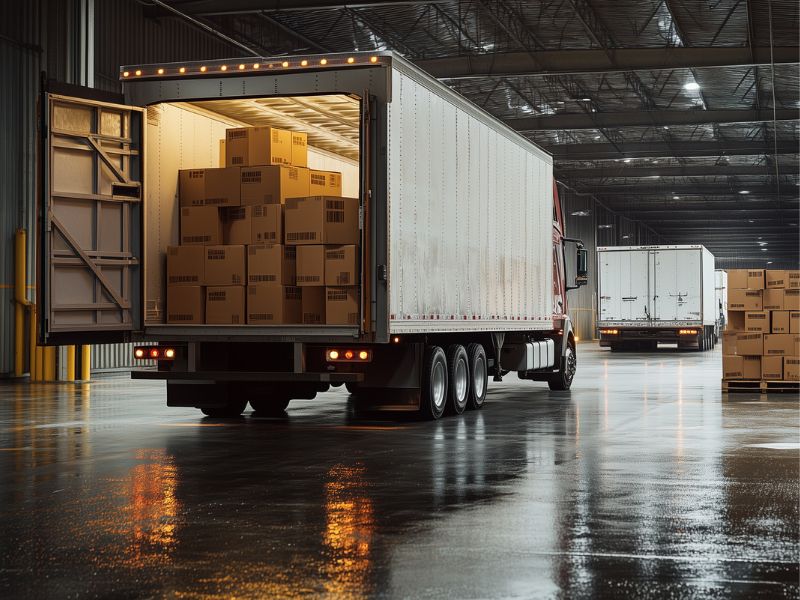
At Advanced Plastiform Inc., we consider the full path a temperature-sensitive shipment takes, from hot-loading docks to refrigerated vehicles and busy distribution centers. Through custom plastics manufacturing, we produce containers, trays, equipment housings, and vehicle components that withstand repeated temperature changes that can affect important product performance. Discover how our cold chain packaging solutions can support your next custom plastics project.
Industries Requiring Cold Chain Temperature Control
Plastics are used in cold chain industries because they address problems people see on the job every day. Let’s look at industries that benefit the most from cold chain packaging thermoforming solutions.
Food and Beverage
Cold storage and refrigerated distribution are essential for fresh and frozen foods. Packaging needs to tolerate moisture, frequent washing, and rough handling while keeping products separated and protected.
Plastics in the food cold chain are commonly used for:
- Reusable produce trays and meat totes
- Dairy and seafood shipping containers
- Inserts that position gel packs around prepared meals
- Interior liners for refrigerated delivery vehicles
Refrigerated Transportation Equipment
Parts inside a refrigerated vehicle have to live with vibration, damp conditions, and frequent cleaning, day after day.
Refrigeration industry plastics are commonly used for:
- Wall and ceiling liners in refrigerated vans
- Airflow ducts and fan shrouds
- Protective covers for sensors and evaporator units
- Custom partitions for mixed or staged loads
Pharmaceutical and Medical
For vaccines, biologics, and lab samples, even small temperature changes matter. That means the surrounding materials need to stay dependable in the cold and not break down from disinfectants.
Temperature-dependent plastics in the medical industry are commonly used for:
- Insulated medical shippers
- Trays for vials and syringes
- Housings for portable refrigerators
- Interior parts for medical transport vehicles
Biotechnology and Research
In research labs, many samples have to be shipped and stored at carefully controlled temperatures to stay usable.
Thermoformed plastics are commonly used for:
- Sample transport containers
- Racks for test tubes and culture plates
- Housings for portable cooling units
- Protective packaging for diagnostic kits
Floral and Agriculture
Flowers and specialty crops are some of the most time-sensitive products in the cold chain. Packaging in this industry has to do two things at once: protect delicate items and allow enough airflow to keep them healthy during transport.
Plastics are commonly used for:
- Breathable liners for floral boxes
- Reusable plant trays
- Moisture-resistant transport containers
- Inserts that prevent shifting during transit
Warehousing and Distribution
In cold storage environments, plastics hold up better than paper, cardboard, and metal. In freezing, humid warehouse distribution spaces, plastic shipping trays and pallets can be washed repeatedly without breaking down.
Cold chain plastics are therefore commonly used for:
- Stackable pallets and bins
- Freezer-grade shelving components
- Spill trays and floor protection
- Guards and covers for conveyor systems
Plastic Materials Used in Cold Chain Transport Vehicles
Vehicles used for cold chain packaging place greater demands on plastics than almost any other application. A single transport van’s interior needs to manage airflow, protect insulation, and withstand disinfectants, all while staying strong through years of vibration and temperature changes.
Cold chain automotive thermoforming can address these multiple needs simultaneously.
The same manufacturing process can create smooth wall liners, rigid ducts, protective covers, and structural partitions within a single vehicle. However, because different areas of a refrigerated truck experience different stresses, material selection determines how well each component will perform in real-world conditions.
Acrylonitrile Butadiene Styrene
Acrylonitrile Butadiene Styrene (ABS) works well in refrigerated vehicles because it doesn’t warp when temperatures swing. It cleans easily and stays presentable after months of use. The material also holds screws and clips without cracking when parts are taken on and off.
High Impact Polystyrene
High Impact Polystyrene (HIPS) is a practical choice for panels and covers inside refrigerated vehicles. It forms into smooth, even surfaces and keeps a predictable shape from part to part. Because it is economical, fleets can replace worn sections without a major repair expense.
High Molecular Weight Polyethylene
High Molecular Weight Polyethylene (HMWPE) handles the rough areas inside a cold chain transport vehicle. The plastic stays tough in damp, cold conditions and does not crack easily. For thermoformed parts that meet pallets and hand trucks all day, it is a dependable material choice.
Polypropylene
Polypropylene (PP) performs well in parts that flex or vibrate during daily routes. Dividers, access doors, and clip-in features hold up well because the plastic material resists deterioraton over time. It also tolerates the cleaners used in food and medical transport.
Thermoplastic Olefin
Thermoplastic Olefin (TPO) is chosen when a part needs to flex and still take an impact. The material stays tough in cold temperatures and helps absorb vibration from the road. That makes TPO a good fit for producing high quality wheel-well liners and curved sections inside refrigerated vehicles.
Polycarbonate
Polycarbonate (PC) offers durability while staying clear. That makes it useful for windows, guards, and panels that protect equipment but still need to be seen. It handles impacts better than most transparent materials.
Polyvinyl Chloride
Polyvinyl Chloride (PVC) is common for surfaces that must be cleaned daily. It resists many disinfectants and forms into smooth, sealed panels. In refrigerated transport it is often chosen for ceiling and wall sections where moisture management and hygiene are the main concerns.
Acrylic
Acrylic is used for parts that need to look good and let light through. It is a commonly used plastic for light covers and clear partitions inside refrigerated delivery vehicles. It also stays provides a glossy finish that remains stable even in refrigerated conditions.
Thermoforming Methods for Cold Chain Applications
No single process fits every project. Selecting among plastic forming options depends on annual volume, surface requirements, and part geometry.
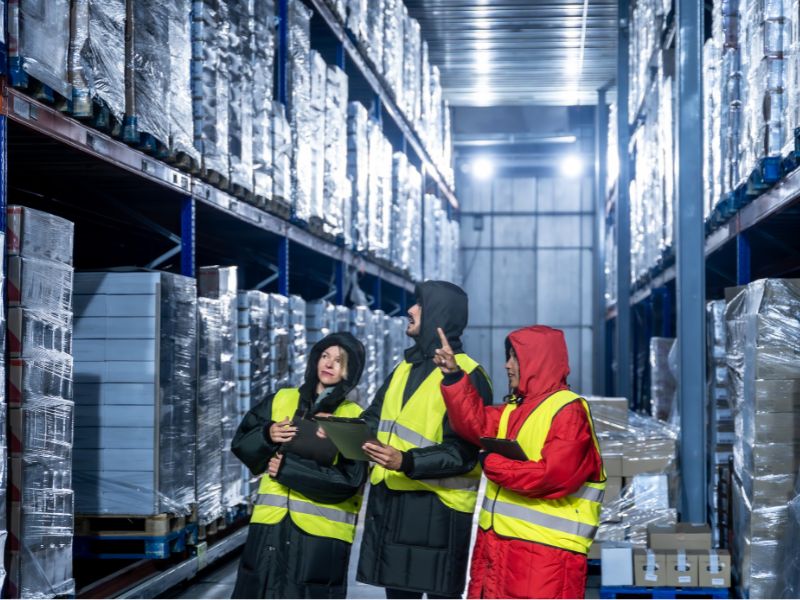
Our professional plastic engineers routinely collaborate with cold chain packaging design teams to prototype custom components that must integrate with the changing temperatures when shipping and transport are part of daily operations.
Depending on the part’s purpose, we select from several thermoforming methods:
- Vacuum forming is well suited for large panels and liners that need consistent thickness to help maintain steady temperatures across containers and enclosures.
- Pressure forming provides sharper detail for parts that must fit tightly around seals, gaskets, and monitoring equipment used in temperature-controlled shipping.
- Twin sheet forming creates rigid, enclosed plastic parts that help insulate products and manage airflow inside shipping containers and refrigeration systems.
Partner with Advanced Plastiform for Cold Chain Packaging Solutions
From the container on the loading dock to the panels inside a refrigerated van, plastics shape every step of modern temperature-controlled logistics. Advanced Plastiform Inc. combines materials knowledge, forming expertise, and transportation industry experience to build custom plastic components that protect products in the real world.
We proudly serve cold chain manufacturers across the Southeast, including North Carolina, South Carolina, Pennsylvania, Maryland, Tennessee, Georgia, and Virginia.
To learn more about how our plastics engineers can support your next project, call 919-404-2080 or fill out our convenient online contact form.