Affordable Custom Plastic Solutions When it comes to manufacturing custom plastic parts, affordability and quality…
What are flame retardant plastics used for in manufacturing?
Answer: Flame retardant plastics are manufactured into panels, housings, covers, dividers, enclosures, and protective components for aerospace, mass transit, electronics, industrial equipment, and medical applications. Through thermoforming or injection molding, manufacturers shape these materials into durable parts designed for where the part will be used, how it needs to hold up, and the fire testing standards it needs to meet.
Flame Retardant Plastic Options for Aerospace and Beyond
Flame retardant plastics can be manufactured through thermoforming and injection molding for use in aerospace, mass transit, electronics, industrial equipment, and other demanding applications.
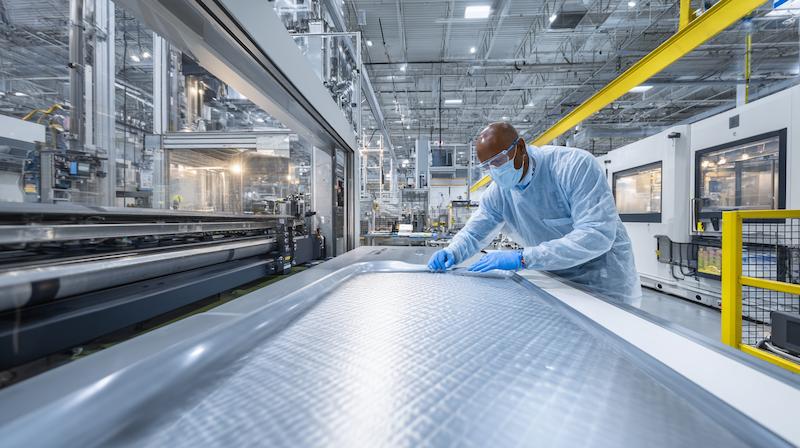
The best process and material for building flame retardant plastic parts depends on the part’s size, geometry, production volume, and fire-performance requirements. Durability, appearance, and the way the finished component will be assembled also shape that decision.
What Are Flame Retardant Plastics?
Flame retardant plastics are materials formulated to:
- Slow ignition
- Limit flame spread
- Reduce how quickly a fire progresses under specific test conditions
- Be used in components where fire performance matters
When reviewing flame retardant plastic options, manufacturers should consider:
- Applicable requirements: Customer specifications, industry standards, and test methods can vary based on where the part will be installed and how it will be used.
- The finished part, not just the base material: Paint, films, adhesives, foam, labels, inserts, fasteners, and other added materials can affect the performance of the completed assembly.
- Wall thickness: Thermoforming can stretch material through deep draws, corners, and detailed areas, which may change thickness across the finished component.
- Smoke and toxicity factors: Aerospace and other high-demand industries evaluate flame performance alongside smoke density and the toxicity of combustion byproducts.
- Real-world service conditions: Cleaning chemicals, impact, vibration, abrasion, temperature changes, and repeated handling all influence how a material performs after installation.
Flame, Smoke, and Toxicity (FST) Performance

For aerospace plastics, manufacturers often evaluate FST performance, meaning flame, smoke, and toxicity. These are related fire-safety factors that may be reviewed through different tests depending on the component, aircraft program, and installation location.
A small decorative panel, transparent divider, and large cabin component may each have different performance requirements, even when they are installed in the same aircraft.
Types of Flame Retardant Plastics and Their Uses
Material choice usually comes down to more than fire performance alone. Some projects need a durable thermoformed panel or housing, while others call for an injection molded electrical component that can handle heat, detailed geometry, or repeated use.
Depending on the type of part and industry, manufacturers may choose from several flame retardant plastic options with different strengths.
PVC and PVC-Acrylic Alloys
PVC and PVC-acrylic alloys are commonly used for thermoformed components that need a durable surface, impact resistance, and flame-retardant performance. These materials can be a good fit for aerospace interiors, mass transit trim, medical equipment, and other applications where the ability to withstand frequent cleaning and appearance matter.
Common parts include:
- Interior trim panels
- Dividers and partitions
- Equipment housings
- Protective covers
- Access panels
Flame Retardant ABS and PC/ABS Blends
Flame retardant ABS and PC/ABS blends are commonly used for molded or formed parts that need toughness, dimensional stability, and a consistent finished appearance. They are used within electronics and industrial equipment that needs to hold up to handling, assembly, and regular use.
Common parts include:
- Electrical enclosures
- Control housings
- Equipment covers
- Protective casings
- Access panels
Flame Retardant Polycarbonate (PC)
Flame retardant polycarbonate can be a strong option when a part needs high impact resistance, heat performance, or transparency. It is commonly evaluated for protective components in industrial equipment, electronics, and other applications where visibility or shielding is important.
Common PC parts include:
- Machine guards
- Transparent covers
- Viewing windows
- Protective shields
- Equipment enclosures
Using Kydex® for Durable, Flame Retardant Components
Kydex® is a high-performance, thermoformable PVC-acrylic material family that is used for formed parts requiring durability, surface quality, impact resistance, and flame-retardant performance.
Advanced Plastiform works with Kydex® for custom plastic components used in aerospace and transit-related applications, as well as medical devices, automotive, medical equipment, telecommunications, transportation, and construction equipment.
Using Kydex® to Build Interior Aircraft Parts
When it comes to custom plastics for the aerospace industry, the exact Kydex® grade and construction are vital to the component’s performance.

Aircraft Interior Material Guide
Grade + Construction Review
Compare Sheet Grade and Finished-Part Construction Before Tooling
Published material data is an important starting point. The final decision should also account for the formed part’s thickness, color, geometry, decorative layers, hardware, assembly method, and installation location.
| Material Grade | Part Direction and Construction | Published Material Positioning | Review Before Production |
|---|---|---|---|
| KYDEX® FST CLR Clear, transparent thermoplastic sheet | A fit for transparent aircraft interior features such as privacy screens, class dividers, decorative accents, and backlit panels. |
Published FST path Manufacturer-published data identifies FAR 25.853(a) and (d), plus Airbus and Boeing smoke-toxicity requirements. |
Confirm the final formed gauge, edge treatment, printed graphics, coatings, adhesives, and any added layers or hardware. |
| KYDEX® FST Solid color, plus FST 03 pearlescent and FST CTL colored translucent options | Designed for formed two- and three-dimensional aircraft interior components where integral color, surface appearance, and forming detail are part of the design. |
Published FST path The FST product suite is published to meet FAR 25.853(a) and (d), with Airbus and Boeing smoke-toxicity requirements identified by the manufacturer. |
Review selected color or translucent effect, surface finish, forming depth, trim lines, fasteners, labels, films, and any secondary operations. |
| KYDEX® T, 110, or 7200ST Examples of aviation sheet grades grouped under vertical-burn requirements | Often evaluated for smaller molded or formed interior components where the required fire-performance path is different from a full FST specification. |
Vertical-burn focus SEKISUI’s aviation catalog groups these grades under FAR 25.853(a) vertical-burn requirements. |
Do not treat a vertical-burn listing as a substitute for heat-release, smoke-density, or toxicity requirements. Confirm the exact grade and test matrix for the component. |
| Boltaron® 9815E Non-KYDEX® comparison example: opaque, high-impact thermoplastic alloy sheet | A comparison point for formed cabin panels, seat-related components, window reveals, lavatory features, and other larger or detailed aircraft interior parts. |
Published FAR a + d data Manufacturer-published data identifies FAR 25.853(a) and (d), including heat-release and smoke-density criteria. |
Review color, texture, material thickness after forming, laminates, adhesives, decorative elements, hardware, and the required program documentation. |
| Boltaron® 6800E Non-KYDEX® comparison example: vertical-burn-focused thermoplastic alloy sheet | A comparison point for formed aircraft interior parts where vertical-burn performance is the relevant starting requirement. |
Vertical-burn focus Manufacturer-published data identifies FAR 25.853(a) and UL 94 V-0 performance. It is not presented as the same fire-performance path as 9815E. |
Confirm whether the component also requires heat-release, smoke-density, toxicity, or other program-specific data before selecting the material. |
Important: A published result for a sheet grade is not a blanket approval for every finished aircraft interior part. Once thickness, color, texture, print, film, adhesive, foam, inserts, fasteners, or other construction details change, the finished configuration may need additional review or testing.
Design Considerations for Flame Retardant Plastic Parts
A flame-retardant material can look right on paper but create problems once it is formed, trimmed, assembled, and put into service. It’s important to consider all aspects of the part’s performance prior to tooling design so manufacturers can make informed decisions on material, thickness, and construction.
Define How and Where the Part Will Be Used
Start with the part’s actual job and the environment it will face after installation. A cabin divider and an electrical enclosure may both require flame-retardant material, but the conditions surrounding heat, handling, cleaning, vibration, or electrical exposure can be very different.
Consider where the component will be installed, what it may contact, and how it will be maintained over time. For the aerospace industry, program specifications should be identified early rather than assuming one general flame rating applies to every interior part.
Plan for Thickness After Thermoforming
Thermoforming stretches plastic sheets as they move over or into the tooling. Deep draws, sharp corners, and detailed features created through vacuum forming or pressure forming can leave thinner areas in the finished part, particularly around radii and other high-draw sections.
Choosing the starting sheet gauge is only part of a manufacturer’s decision-making process. The design should maintain enough wall thickness where the part needs to hold its shape, support assembly features, withstand impact, or meet a required test. Texture, color, and finish should also be reviewed because they can affect forming, trimming, cleaning, and appearance.
Review the Full Assembly Before Tooling
The formed plastic component is usually just one part of a greater assembly used for a piece of equipment. Other components like hardware, inserts, adhesives, labels, graphics, coatings, foam, and edge treatments will all affect how the completed part performs.
Addressing those details before thermoforming tooling is built is typically simpler than revising the design after prototype or assembly issues appear.
Design for Real Service Conditions
A prototype that looks right and fits correctly during early testing needs to still hold up after installation. Routine cleaning, vibration, repeated handling, impact, temperature changes, and chemical exposure can all affect the material’s ongoing performance.

Before finalizing the design, review those conditions with your plastic parts supplier. That conversation will guide the manufacturing team’s decisions about material grade, wall thickness, color and surface finish, reinforcement, and any testing needed before moving the part into production.
Receive a Quote for Custom Flame Retardant Plastics
Advanced Plastiform works with manufacturers across North Carolina, South Carolina, Georgia, Maryland, Pennsylvania, Tennessee, and Virginia to evaluate material options, part design, and the right production process before a project moves into its tooling phase.
Share your drawings, specifications, expected volume, and performance needs with our team today. Call us at 919-404-2080 or receive a quote by filling out our contact form.